

Примеры в контексте "They - Их"
брит.[ˈðeɪ] амер.[ðeɪ]
Перевод
Примеры
Примеры: They — Их
-
They know they'll be beaten.
Они знают, что их побьют.
-
They change them to be the characters they want to be in those productions.
Они их меняют, чтобы стать героями, которыми хотят быть в своём исполнении.
-
They circle the drain, then they clog it.
Сначала они их осушают, потом заполняют.
-
They shuffed each other and threatened to duel when they thought it was their turn to dance.
Они отталкивали друг друга и угрожали дуэлью, когда считали, что пришла их очередь на танец.
-
They still do what they've done for ages, their enemies long gone.
Сейчас они продолжают жить и заниматься тем, чем занимались веками, а их враги уже давно вымерли.
-
They kick them out, and then they die.
И выселяют их и они потом гибнут.
-
They are found at nightfall in the hills as they return to their village.
Их можно обнаружить в горах в сумерках, когда они возвращаются в деревню.
-
They request that their privacy be respected as they cope with the tragic death of their beloved daughter, Emma.
Они просят уважать их уединение, пока они оплакивают трагическую смерть своей любимой дочери Эммы.
-
They will battle us until either we're destroyed, or they are.
Они будут биться до конца, нашего либо их.
-
They're supposedly ceremonial, so they get to keep them.
Вроде как церемониальные, поэтому их разрешили оставить.
-
They put them in their houses like they're trophies.
Люди приносят их домой как будто это трофеи.
-
They don't seem to get that they're busted.
Они не догоняют, что их поймали с поличным.
-
They claim that as local food critics, they deserve respect and that all who oppose them will suffer.
По их словам, как местные ресторанные критики, они заслуживают уважения, а всех несогласных ждет расправа.
-
They'll invade an entire world before anyone even knows they're there.
Они вторгаются в миры, а их никто не замечает.
-
They're starved until they perform tasks.
До самого выступления их морят голодом.
-
They get married and make children that replace them when they get too old to make power.
Женятся и рожают детей которые заменяют их, когда родители становятся старыми, чтобы производить энергию.
-
They'll need to learn before they join the prince's army.
Их нужно обучить до того, как они присоединятся к армии принца.
-
They detonated them after they lost target lock.
Их взорвали, когда они потеряли цель.
-
They are contemptuous of authority, convinced that they are superior - typical adolescent behavior for any species.
Их пренебрежение к авторитету, убеждение, что они высшие - типичное юношеское поведение любых видов.
-
They're a real rare prize for gun collectors, 'cause they only made about 500.
Они действительно редкая находка для коллекционеров оружия, ведь их было выпущено всего около пятиста.
-
They saw potential police intervention on the ground, and they improvised.
Воры поняли, что на земле их может поджидать полиция, и импровизировали.
-
They had observed, so they said a strange moving light in the sky.
По их словам, они наблюдали странные движущиеся огни в небе.
-
They condense by gravity from gas and dust until their temperatures become so high that they begin to shine.
Под действием гравитации газ и пыль сгущаются, пока их температура не возрастет настолько, что они начинают светиться.
-
They said they had enough things and wanted to give them to the poor children.
Они сказали, что у них хватает вещей, и они хотят отдать их бедным детям.
-
They stole my math, they fed it back to us.
Они украли мои вычисления и скормили их нам.
Другие варианты перевода слова they
Все переводы слова theyСлово they в словаре
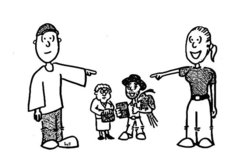
They — Они
Слово есть в словаре Mnemoenglish: картинка, озвучка и примеры в одной карточке.
Пословицы со словом they
- all things are difficult before they are easyлюбая вещь трудна, пока не станет легкой
- give (someone) an inch and they will take a mileдашь палец – всю руку откусит; положи палец в рот – всю руку откусит
- give (someone) enough rope and they will hang themselvesдай дураку веревку, а уж он найдет, как повеситься
Потренируемся?
Чем больше практики, тем лучше запоминается слово