
Примеры в контексте "Blade - Нож"
Перевод
Примеры
Примеры: Blade — Нож
-
I stick the blade under the wing, then I rip off the drumstick.
Я втыкаю нож под крыло, после чего отрезаю ножку.
-
Not of the sorcerer, not of his blade. I dream of the voice from the flames.
Не колдун, не его нож, а снится голос из пламени.
-
So little did Martin know he would fail to recover the blade, which would remain hidden for decades, which means it could still be sitting somewhere waiting for us.
Так как Мартин знал, что не сможет восстановить нож, он мог спрятать его на десятилетия, что значит, он может где-то лежать и ждать нас.
-
Blade is good... very effective for close-quarter combat...
Нож очень эффективен в рукопашном бою.
-
So, how do we find this Blade?
Так как мы найдем этот нож?
-
So we're probably looking for a knife or at least a manufactured blade.
Вероятно, мы ищем нож или какое-то фабричное лезвие.
-
Hodgins said the metallurgical composition and shape of the blade suggest a Northern Indian ritualistic slaughter knife.
Ходжинс сказал, что состав металла и форма лезвия предполагает, что это ритуальный нож северных индейцев.
-
He grabbed the blade, twisted the knife right out of my hand.
Он схватил лезвие, выкрутил нож у меня из рук.
-
Ciaran said that he grabbed the knife by the blade.
Киран сказал, что тот схватил нож за лезвие.
-
No, the cleaver has a totally different blade profile.
Нет, нож имеет совершенно другой угол лезвия.
-
So push your blade in and up for a definite kill.
Поэтому втыкай нож сначала вперед, потом вверх, чтобы убить наверняка.
-
He was holding a knife with a blade that pops out.
Он держал нож с лезвием, которое так выскакивает.
-
That's a serrated clip-point knife with a five-inch blade.
Это зубчатый нож в форме клинка.
-
The knife features a stainless steel blade, perfect for any use in hunting or in the home.
Нож сделан из нержавеющей стали... подходит для использования на охоте и дома.
-
Unique blade leaves that kind of mark.
Такие следы может оставить только один нож.
-
One is a blade of four to five centimetres, the other a kitchen knife.
Один с лезвием 4-5 см, другой нож кухонный.
-
Dr Balloran concludes that the weapon was a sharp knife with a slightly curved blade.
Доктор Баллоран пришёл к выводу, что орудием был острый нож со слегка изогнутым лезвием.
-
Wounds indicate the weapon had a curved blade, 3 inches from tip to hilt.
Раны указывают, что нож был с изогнутым лезвием, 7,5 сантиметров от кончика до рукоятки.
-
The next step would involve and oscillating saw, but he opted for a long-angled blade.
Следующий шаг предполагает вибрационную пилу, но он предпочитает нож со скошенным лезвием.
-
So based on the cutting pattern, it was a serrated combat knife, with a five-inch blade, and that's not all.
Основываясь на характере разреза, это был зазубренный боевой нож, с 12-сантиметровым лезвием, и это ещё не всё.
-
Bobby, that knife - What kind of blade can kill a demon?
Бобби, этот нож... каким клинком можно убить демона?
-
If the blade was sharp enough, even a kitchen knife would do.
Кухонный нож, и тот бы подошел, будь лезвие достаточно острым.
-
According to the size of the wound and the shape of the blade... the weapon that killed Mr. Donello is a hunting knife.
Согласно размеру раны и форме лезвия... орудием, которым был убит Мистер Донелло, является охотничий нож.
-
So I reached for my Swiss Army knife, I opened the blade, just in the knick of time I should say, and I plunged it into his left eyeball.
Я достал свой складной нож, вынул лезвие, должен сказать, еле успел, и вонзил его ему в левый глаз.
-
Please tell me how to do that someone in your area not know that butter knife and is set to handle right, and the blade facing left, look it?
Объясните, пожалуйста, как человек вашей профессии может не знать, что нож для масла кладётся ручкой вправо А тарелка ставится слева?
Другие варианты перевода слова blade
Все переводы слова bladeСлово blade в словаре
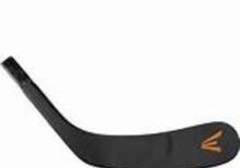
Blade — Крюк клюшки
Слово есть в словаре Mnemoenglish: картинка, озвучка и примеры в одной карточке.
Потренируемся?
Чем больше практики, тем лучше запоминается слово