
Примеры в контексте "Camp - Концлагеря"
Перевод
Camp
Английский → русский, вариантов перевода: 18
Концлагеря
Все варианты переводов:
Примеры
Примеры: Camp — Концлагеря
-
He was able to escape from the camp.
Сумел сбежать из концлагеря.
-
He escaped from a concentration camp.
Он сбежал из концлагеря.
-
Father has just escaped the concentration camp.
Сегодня отец сбежал из концлагеря.
-
Hermann Pister: Ex SS-Oberführer and commandant of Buchenwald concentration camp (1942-1945).
Оберфюрер СС, комендант концлагеря Бухенвальд (1942-1945).
-
Two older brothers of Kjell Askildsen were held captive in Grini concentration camp.
Два старших брата Аскильдсена были узниками концлагеря Грини.
-
Jewish district, ghetto and the concentration camp.
Бывший еврейский город, территория бывшего гетто и концлагеря.
-
The story is based on a true story about 76 British prisoners who escaped from the prisoner of war camp in Silesia in Poland.
Фильм основан на реальном побеге 76-ти британских заключенных которые сбежали из концлагеря в Силезии, в Польше.
-
In 1944, Klaff joined the camp staff at the Stutthof's subcamp at Praust (Pruszcz), where she abused many of the prisoners.
В 1944 году Ванда присоединилась к персоналу концлагеря Прауст в городе Прущ-Гданьский, где жестоко обращалась со многими заключёнными.
-
Aumeier would command a Jewish construction unit of some 7,000 men with orders to construct, and then establish Vaivara concentration camp in Estonia for Jews.
Аумайеру было поручено командование строительным подразделением из 7 тысяч заключённых евреев для выполнения задачи по постройке концлагеря Вайвара для эстонских евреев.
-
Commemoration of the Holocaust would be incomplete without a mention of the liberators, including the Soviet troops that had liberated the Auschwitz camp.
Его делегация исходит из того, что память о жертвах Холокоста неотделима от памяти об их освободителях, в том числе о советских войсках, которые освободили узников концлагеря Освенцим.
-
The story of how Ilse accomplished this is interesting enough to tell in full: In 1936, a cousin of Ilse's came to Berlin to consult a lawyer about getting her husband released from a concentration camp.
Вот как это произошло: В 1936 году двоюродная сестра Ильзы приехала в Берлин, чтобы проконсультироваться с адвокатом насчёт освобождения её мужа из концлагеря.
-
Despite Veesenmayer's solemn promise to obtain Horthy's son's release from the German concentration camp, Miklós Jr. remained a prisoner until the war's end on 8 May 1945.
Несмотря на торжественное обещание Веезенмайера добиться освобождения сына Хорти из немецкого концлагеря, Хорти-младший оставался пленником до конца войны.
-
But you know, for the first time in many years, especially after the camp, I felt free and, you know, I, kind of, got intoxicated.
Знаете, за многие годы и после концлагеря я впервые почувствовал себя на свободе и как-то опьянел.
-
Rob LaBelle as Carl (season 1), a bookstore clerk in Canon City who is revealed to be a concentration camp escapee, David P. Frees, killed by the Marshal.
Роб Лабелл - Карл, работник книжного магазина в Каньон-Сити, раскрытый как беглец концлагеря по имени Дэвид Фрис.
-
Further historical events, such as Allied bombing raids on Peenemünde and the city of Nordhausen (close to the V-2 producing concentration camp Mittelbau-Dora) also appear in the novel and help to establish the relation of the work's events to each other.
Дальнейшие исторические события, такие как бомбардировка союзными силами Пенемюнде и Нордхаузена (расположенного недалеко от концлагеря Дора-Миттельбау, где производились ракеты Фау-2) также появляются в романе для уяснения последовательности повествования.
-
However, by the time they got to the Campagna concentration camp, all the inmates had already fled to the mountains with the help of the local inhabitants.
Но когда они достигли концлагеря, то не нашли там заключённых: все они бежали в горы с помощью местного населения.
-
No memorial exists for the camp's victims while schools in Prijedor had commemorated the opening day of the nearby Trnopolje camp.
Она также сетовала на отсутствие мемориала жертвам концлагеря, в то время как в школах Приедора отмечают 24 мая, день открытия близлежащего концлагеря Трнополье.
-
Of a total of 10,000 workers who worked on the project, 8,500 were forced laborers and inmates of the Mühldorf concentration camp network.
Из 10000 рабочих, задействованных в проекте, 8500 являлись узниками концлагеря.
-
You where in the [KZ] camp?
Ты что, из концлагеря?
-
None of the SS guards who had fled the camp after the ceasefire on 13 April had been searched for.
Обыск не проводился ни у одного из охранников концлагеря из отрядов СС, которые покинули лагерь после прекращения огня 13 апреля.
-
According to Harold Marcuse, an American professor of German history, the camp commander SS-Hauptsturmführer Martin Weiss, together with the camp guards and the SS garrisons, had fled the camp before the arrival of U.S. troops.
Согласно Гарольду Маркузе, комендант лагеря гауптштурмфюрер СС Мартин Вайс вместе с охранниками лагеря и гарнизонами СС, бежал из концлагеря до прихода американских войск.
-
They had come here on the night of the 28th to take over from the regular camp personnel for the purpose of surrendering the camp to the advancing Americans.
Они приехали сюда в ночь на 28-е взять на себя полномочия для сдачи концлагеря наступающим американцам.
-
Within the letter it was suggested that his prison experience might make it possible for him to command a concentration camp and Himmler acted on this suggestion, and made him commandant of the women's camp at Lichtenburg.
В письме было предположение, что его тюремный опыт может сделать возможным для него командовать концлагерем - Гиммлер согласился с этим предложением, и сделал Хельвига комендантом женского концлагеря Лихтенбург (Lichtenburg).
Другие варианты перевода слова camp
Все переводы слова campСлово camp в словаре
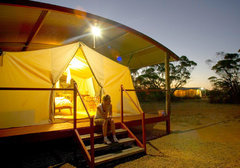
Camp — Лагерь
Слово есть в словаре Mnemoenglish: картинка, озвучка и примеры в одной карточке.
Потренируемся?
Чем больше практики, тем лучше запоминается слово